
Life on the road
Getting to Know a New City on Foot: Walking, Maps and Following the Crowd
A map shows you streets; walking shows you a city. How I learn a new neighbourhood: supermarket first, long walks, and following the crowd.

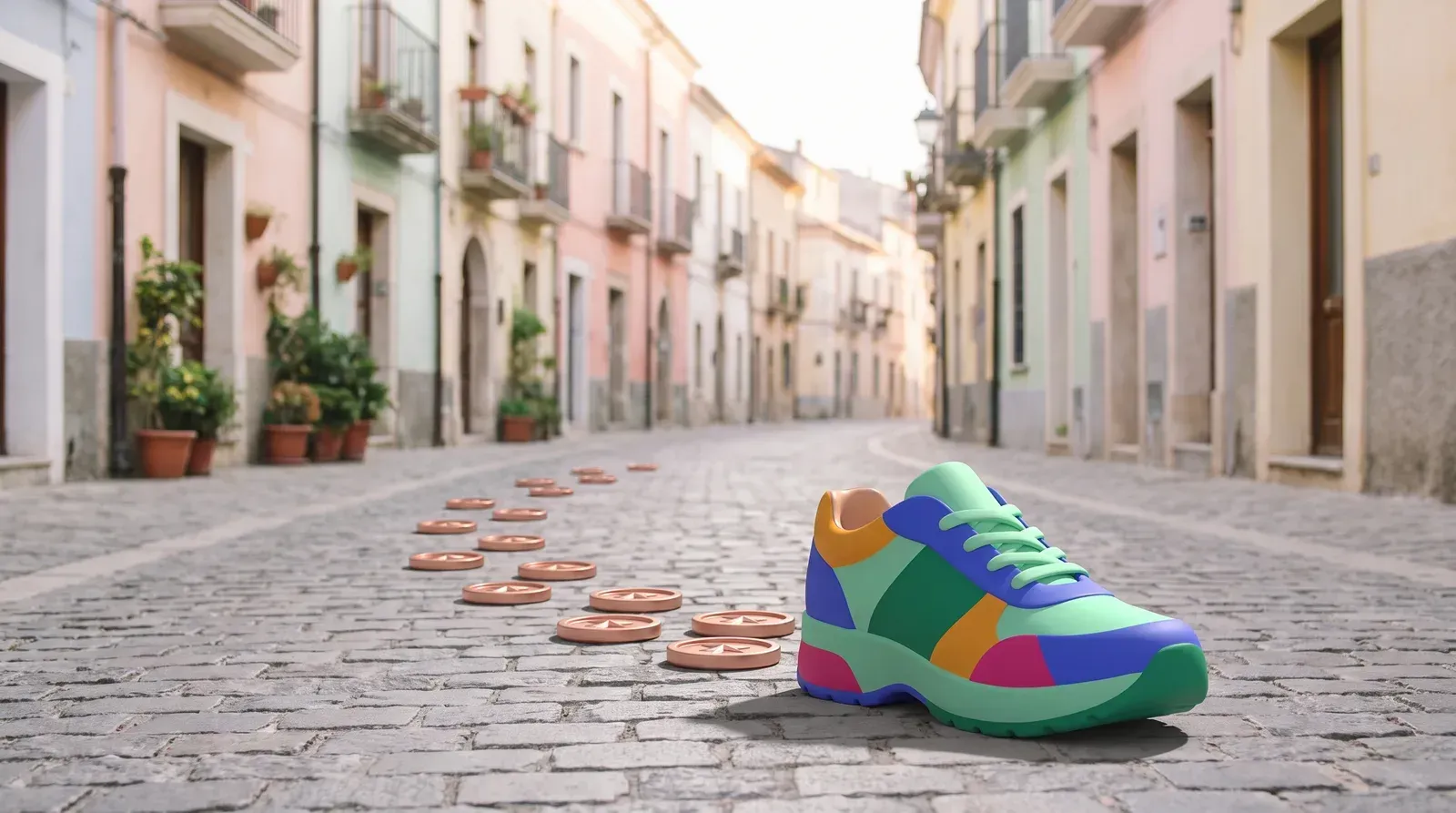
How do you get to know a new city?
Guidebooks? Tours? A list of the top ten sights?
I walk.
A map shows you streets. Walking shows you a city: which corners are loud, which are calm, where people sit in the evening, where the bread smells good in the morning.
I really get to know every city I travel to on foot. In a new city, I don’t end the day without 15,000 to 20,000 steps. If I’m not in a hurry and not carrying anything heavy, I walk wherever I’m going.
Even if I have to go to the same place again and again, I take different streets each time.
Day one: the supermarket
The first thing I always do in a new place is a grocery run, so the basics are at hand. I wrote about the rest of that first week in my post on the first week in a new country.
Once the fridge isn’t empty, the walking starts.
Then: every direction
I get to know the area around the flat on foot. A lot of walking, in every direction.
Sometimes I check the map to see what’s around. But the map is for checking, not for leading. The best finds are usually the ones I wasn’t looking for.
Of course there are places like that. But walking is my routine, so I know I’ll find them. In a car or on a bus, we pass by fast and notice very little.
Follow the crowd
To find a city’s central spots, I have a simple strategy: follow the crowd.
Where people go, there’s usually a reason. A square, a market, a street where the city comes together. You don’t need to know its name. You just need to walk where everyone else is walking.
I do this especially when I’ve just arrived. Instead of looking at a map, I follow people, and I end up on the city’s most central streets, its shopping areas, its social spaces. The rule works everywhere.
Without headphones
When I walk, I walk without headphones. Just me and my thoughts.
A new city has its own sound: the language on the street, the traffic, the bells, the market. With headphones on, you’re walking through your own playlist, not through the city.
What walking gives back
It’s the cheapest way to see a city. It’s also how I find the things that make daily life work: the right café, the better supermarket, the bakery that opens early.
Whether I use public transport depends on the country, the city and how far I need to go that day. The weather plays a part too. If there’s a metro, I take it. If not, depending on traffic and crowds, I take a bus or a taxi.
Public transport has its own gift: it’s a chance to watch the people who live there and see their routines.
What I do now
The supermarket comes first. Basics at hand, then everything else.
I walk in every direction. The area around the flat first, then further.
15,000 to 20,000 steps a day. If I’m not in a hurry, I walk where I’m going.
I use the map to check, not to lead. Sometimes I look at what’s around. Mostly, I just walk.
I follow the crowd to find the centre. People usually know where the city happens.
A few days of walking, and a new city stops being a map. It becomes streets I know.
I wish you good shoes, and streets worth getting lost in.

About the author
Selçuk Sevindik
Designer and maker of Nomad Budget. I’ve been living as a digital nomad since 2020, and I built this app because tracking money in several currencies at once never worked for me — not in my head, and not in the expense apps I tried.
More of my writing on Medium →